


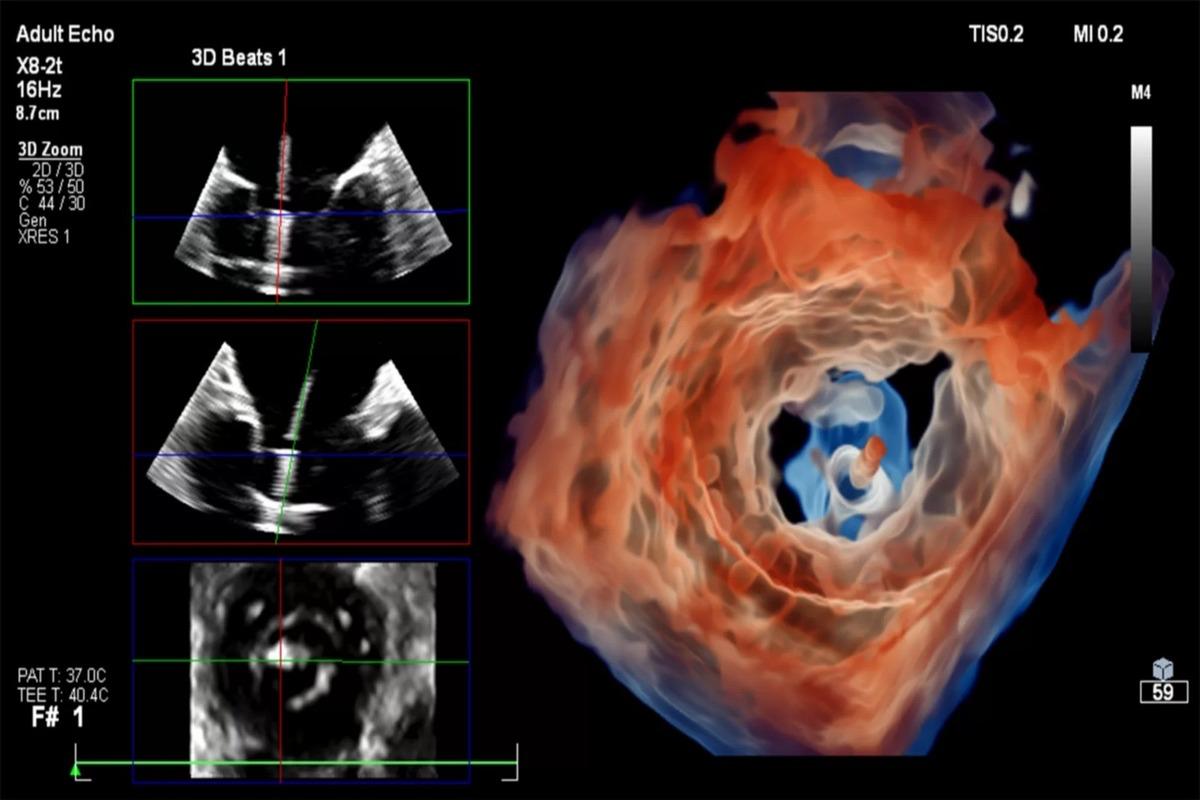
Philips is advancing its ultrasound portfolio by integrating NVIDIA GPU technology to support software-defined beamforming and AI-driven imaging. This shift moves the platform away from traditional FPGA-based hardware toward a more flexible architecture that uses NVIDIA RTX GPUs and the CUDA framework. The transition enables faster algorithm development, improved 3D imaging volume rates, and real-time adaptive imaging that adjusts automatically to patient-specific acoustic and anatomical characteristics.
By leveraging GPU parallel processing, Philips has enhanced key imaging functions including beamforming, filtering, envelope detection, and 3D reconstruction. The updated system supports clearer visualization of cardiac structures and blood flow during interventional procedures. Clinicians gain access to more consistent imaging across diverse patient profiles, with fewer repeat scans and smoother workflows.
The collaboration also shortens research and development cycles, allowing engineers to test and update algorithms more frequently. Software-led innovation reduces reliance on custom hardware, lowers development costs, and supports sustainability goals by extending system longevity through software updates rather than full hardware replacements. This modular approach helps health systems manage total cost of ownership while improving operational efficiency.
These advancements establish a foundation for future ultrasound applications and support clinicians with tools for clearer diagnostics, real-time procedural imaging, and expanding treatment pathways in cardiology and general care.













Leave a comment