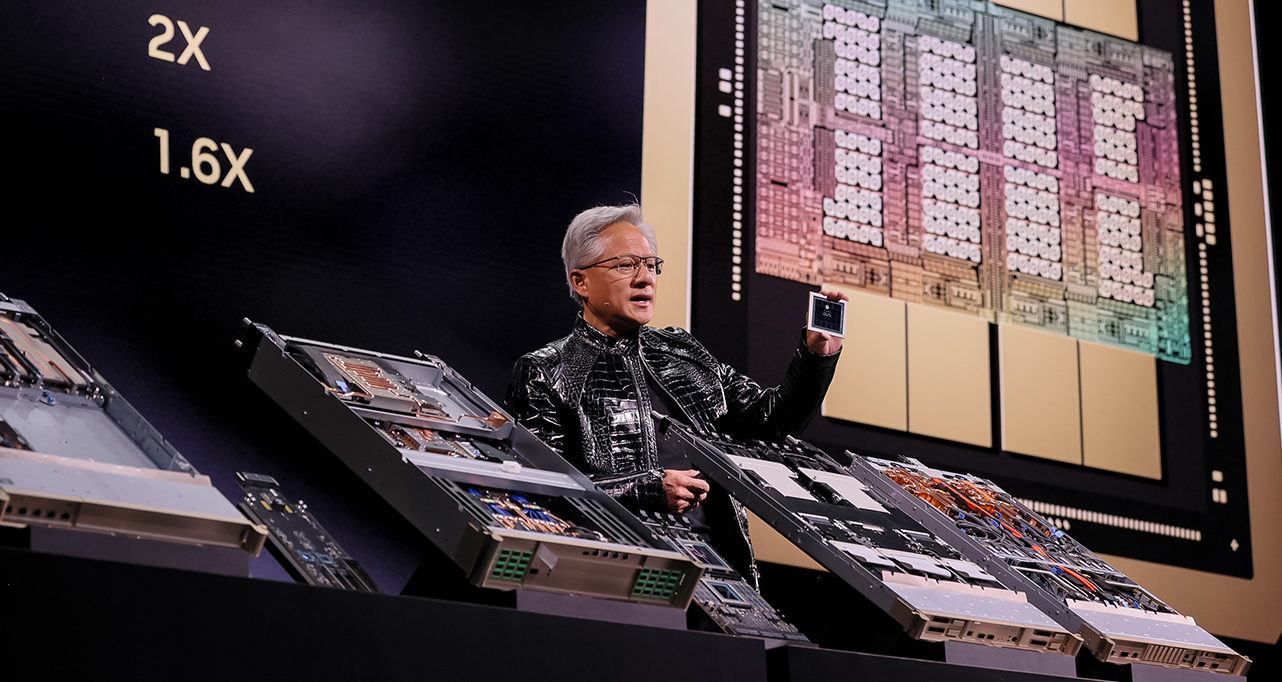
NVIDIA opened its CES 2026 special presentation with CEO Jensen Huang laying out a broad vision for AI across computing, robotics and autonomous systems. At the heart of the presentation was Rubin, NVIDIA’s first extreme-codesigned AI computing platform that combines six tightly integrated components including Rubin GPUs, Vera CPUs and advanced networking and DPU units. This platform is now in full production and designed to lower the cost of large-scale AI training and inference while boosting performance significantly compared with previous generations.
Alongside Rubin, NVIDIA highlighted open AI models spanning key domains like healthcare, climate science, robotics simulation and autonomous driving. These models are trained on NVIDIA supercomputers and available to developers and enterprises to build AI solutions. Huang emphasized that open models enable broad innovation across industries and form the foundation for next-generation intelligence.
NVIDIA also showcased advancements in physical AI, including models for real-world reasoning and simulation that help robots and autonomous systems perceive and act. A highlight was an AI defined driving demo using the Alpamayo reasoning model family integrated with the DRIVE platform, showcased on a Mercedes-Benz CLA.
Additional announcements included updates to gaming technology like DLSS 4.5 for enhanced graphics and expanded support for GeForce NOW and AI-enabled workflows for creators.


Consumer & Home TechIndustry
 Raunak YadavJanuary 6, 20261 Mins read94
NVIDIA Presents Rubin AI Platform and Open Models at CES 2026
Raunak YadavJanuary 6, 20261 Mins read94
Share



Related Articles

Varun Anchan appointed as Head of Brand Communications & Content at Eureka Forbes
Eureka Forbes Ltd. has appointed Varun Anchan as Head of Brand Communications...
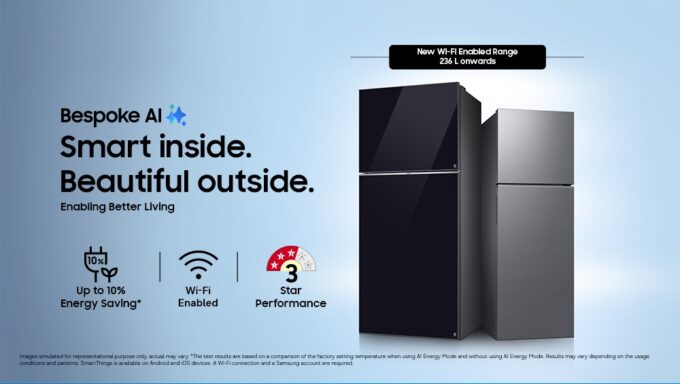
Samsung Expands Bespoke AI Refrigerators Line-Up in India
Samsung Bespoke AI Refrigerators India Launch with Smart Energy Features Samsung Electronics...
Shunmugavel Madasamy elevated to Senior Director at Honeywell
Honeywell has promoted Shunmugavel Madasamy to Senior Director, expanding his responsibilities across...
Lenovo Completes Infinidat Acquisition to Strengthen Enterprise Storage
Lenovo Infinidat Acquisition Expands AI-Ready Enterprise Storage Capabilities Lenovo Group Limited has...



Leave a comment